The most useful way to evaluate Full Self-Driving (Supervised) is to use it as part of normal life. Not just on the easiest stretch of highway. Not just for a demonstration to a friend. And never by deliberately creating a dangerous situation to see how it reacts.
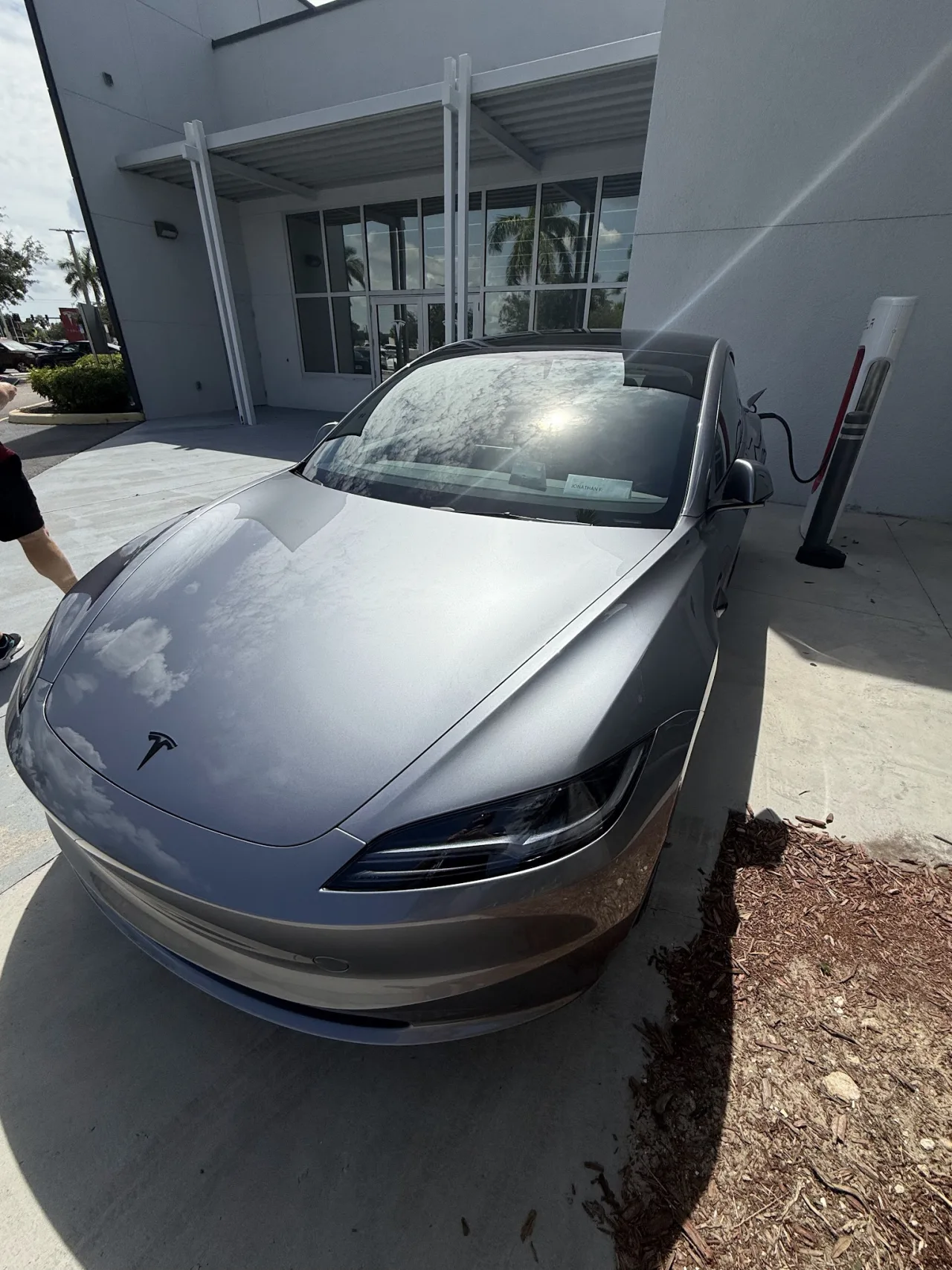
Our Model 3 has covered just over 3,000 miles since May 31, 2026, with approximately 56% of our driving using FSD. We appreciate the assistance, but we still choose manual driving for some situations. That mixed verdict is exactly why evaluation time matters.
The normal-roads evaluation loop
- PrepareRead your vehicle’s instructions. Know how to disengage and check the trial’s terms.
- Drive your routineChoose ordinary, appropriate journeys—not artificial stress tests.
- Stay in controlWatch speed, lane position and the road. Intervene promptly when needed.
- Reflect when parkedRecord what helped, what required attention and which version was installed.
- Decide for yourselfWeigh the assistance against the supervision and the current cost.
Start with the driving you actually do
Use familiar routes where FSD is available and conditions are appropriate. Your normal commute, errands and regular highway journeys can tell you more about fit than one carefully selected demonstration.
Pay attention to the whole experience. Does the route make sense for you? Do lane choices feel appropriate? Does the system proceed naturally after a complete stop? Do you spend less effort on routine driving—or more effort anticipating its next decision?
For us, leaving home exposes a route preference that matters. FSD chooses a different route toward the interstate, so we usually drive manually until we reach our preferred road, then engage it. That is a reasonable way to use the feature, not a failure to give it a fair chance.
If practical, include a longer trip
If a road trip already fits your plans, it can add another perspective. Different roads and a longer journey may reveal preferences you would not notice during a short drive. There is no need to travel just to test FSD or use it when you are uncomfortable.
Plan charging separately and take normal rest breaks. Driver assistance does not make it appropriate to continue driving when tired or distracted. We’re becoming more confident about EV road trips ourselves, but this is a suggested evaluation step—not a claim that we have already completed a particular test trip.
Stay responsible for the entire drive
FSD is supervised driver assistance, not an autonomous chauffeur. Stay attentive, follow your vehicle’s instructions, and remain ready to steer or brake.
If the posted limit is 35 mph and the car starts selecting an excessive speed, correct it promptly. Don’t wait to see whether it climbs to 45, 50 or 55. The same principle applies to an inappropriate lane choice or an unsafe maneuver: maintaining control comes before gathering observations.
Use the feature in ordinary, appropriate conditions. “Evaluate” does not mean provoking failures, intentionally approaching hazards or pushing beyond the operating instructions.
Keep the notes simple—and make them when parked
After a drive, note the installed FSD version, the type of road, what felt helpful and what made you intervene. You do not need a complicated score or an intervention-free-mile claim.
Your quick after-drive note
- Version and date: Which build did you actually use?
- Journey: Familiar commute, errands or highway?
- Helpful moment: What made the drive easier?
- Intervention: What did you correct, and under what conditions?
- Personal verdict: Would you choose to use it for this journey again?
Avoid recording passenger details, exact home locations or other private information in anything you plan to share publicly.
If your software presents a feedback option after disengagement, use it only when safe and describe the issue accurately. The interface can vary by build. Do not prioritize a checkbox or screen prompt over controlling the car; make any notes later when safely parked. Sending feedback is not a promise that Tesla will fix a particular issue or teach the car your preferred route.
Separate “I like it” from “I would pay for it”
Those are different questions. When I deliberately drove without FSD, I realized how accustomed I had become to its help. I still have not decided whether I would pay for a monthly subscription.
Lane choices, four-way-stop hesitation and route preferences remain part of the decision. Your routes and priorities may lead you to a different answer. Look at the subscription price and terms shown in your Tesla app rather than assuming an old article’s price is current.
Before a trial ends, check your account for its expiration date, any subscription you have authorized, and applicable billing or cancellation terms. Do not assume every trial ends or renews in the same way.
Sources and scope
Owner guidance by Cameron DeJong, September 8, 2026; personal experience on the then-current FSD 14.3.7. Official references: FSD (Supervised), subscription information, new-owner trial information, and Refer and Earn terms. Your vehicle’s instructions and your actual account terms take precedence over this checklist.